
Neoclassical metal
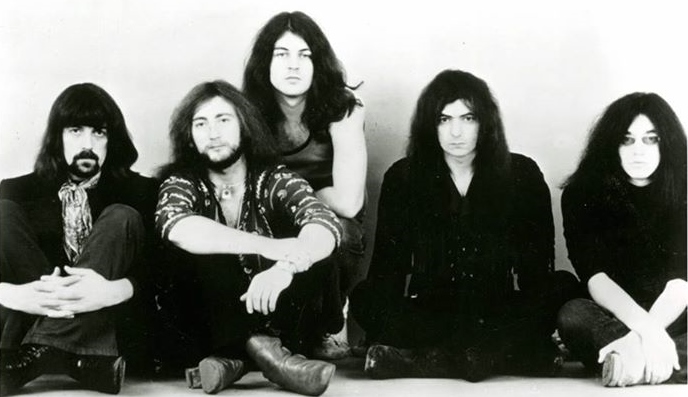
Neoclassical metal is a style of heavy metal heavily influenced by classical music: very technical playing that borrows from both classical music and speed metal. It looks to classical music as the general public understands it, from the ornate runs of Baroque composers such as Vivaldi, Handel and Bach to the showy techniques of the violinist Niccolò Paganini. Deep Purple’s Concerto for Group and Orchestra (1969) was its most important early influence. Jon Lord, Keith Emerson, Ritchie Blackmore, Uli Jon Roth and Randy Rhoads brought classical touches into hard rock and heavy metal before Yngwie Malmsteen made the style famous in the 1980s.
Key facts
- Roots: classical music and speed metal. Neoclassical guitar playing moved from hard rock into heavy metal in the 1980s
- “Golden age”: the mid- to late 1980s, around the mostly instrumental albums of Mike Varney’s Shrapnel Records
- Typical tools: harmonic minor scales, diminished seventh chords, fast runs and arpeggios
- Other notable players named by Wikipedia include Jason Becker, Vinnie Moore, Paul Gilbert, Marty Friedman, Uli Jon Roth and Timo Tolkki of Stratovarius. Keyboardists such as Jens Johansson are prominent too
Source: Wikipedia, “Neoclassical metal”
Photo: Deep Purple. Deep Purple (1971).JPG — Warner Bros. Records. Public domain. Source image used without further edits; display may resize or crop.

