
The birth of speed metal
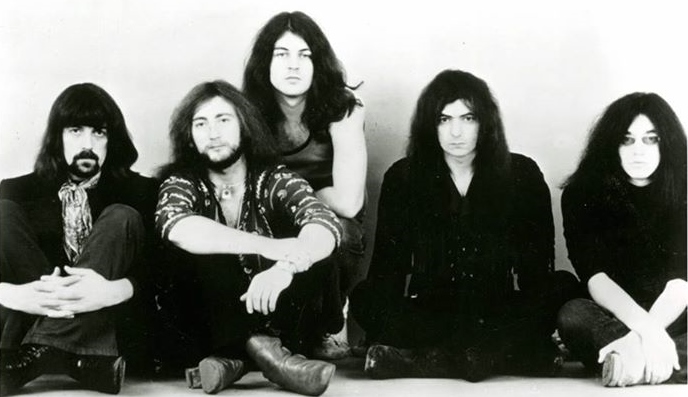
Speed metal grew out of new wave of British heavy metal roots in the late 1970s. It is faster and more aggressive than traditional heavy metal and leans towards virtuoso solos, but is usually cleaner and more melodic than thrash metal, the style it eventually evolved into. Deep Purple’s “Speed King” gave the genre its name, Ian Paice’s double bass drum on “Fireball” became a mainstay, and Judas Priest’s “Exciter” (1978) is called a typical example in hindsight. In the 1980s “speed metal” also meant what is now called thrash metal. The genre as it is understood today was only defined in the 1990s.
The scenes sounded different from region to region: European bands leaned towards Venom and Motörhead, Japanese bands towards a melodic sound close to power metal, and North American bands towards the faster, more aggressive sound that fed into thrash. German Wikipedia says Metallica’s Kill ‘Em All (1983) is considered the first speed or thrash metal album. Venom and early Metallica have decks of their own.
Key facts
- Roots: the NWOBHM, Motörhead, Deep Purple (“Speed King”, “Fireball”, “Highway Star”) and Judas Priest (“Exciter”)
- Early speed metal: Exciter and Anvil (Canada), Accept, Running Wild and Helloween (Germany), Agent Steel (USA)
- Afterwards: some bands moved towards thrash metal, others developed power metal
Sources: Wikipedia, “Speed metal”, Wikipedia (de), „Speed Metal“
Photo: Deep Purple. Deep Purple (1971).JPG — Warner Bros. Records. Public domain. Source image used without further edits; display may resize or crop.

