
Doom metal takes shape
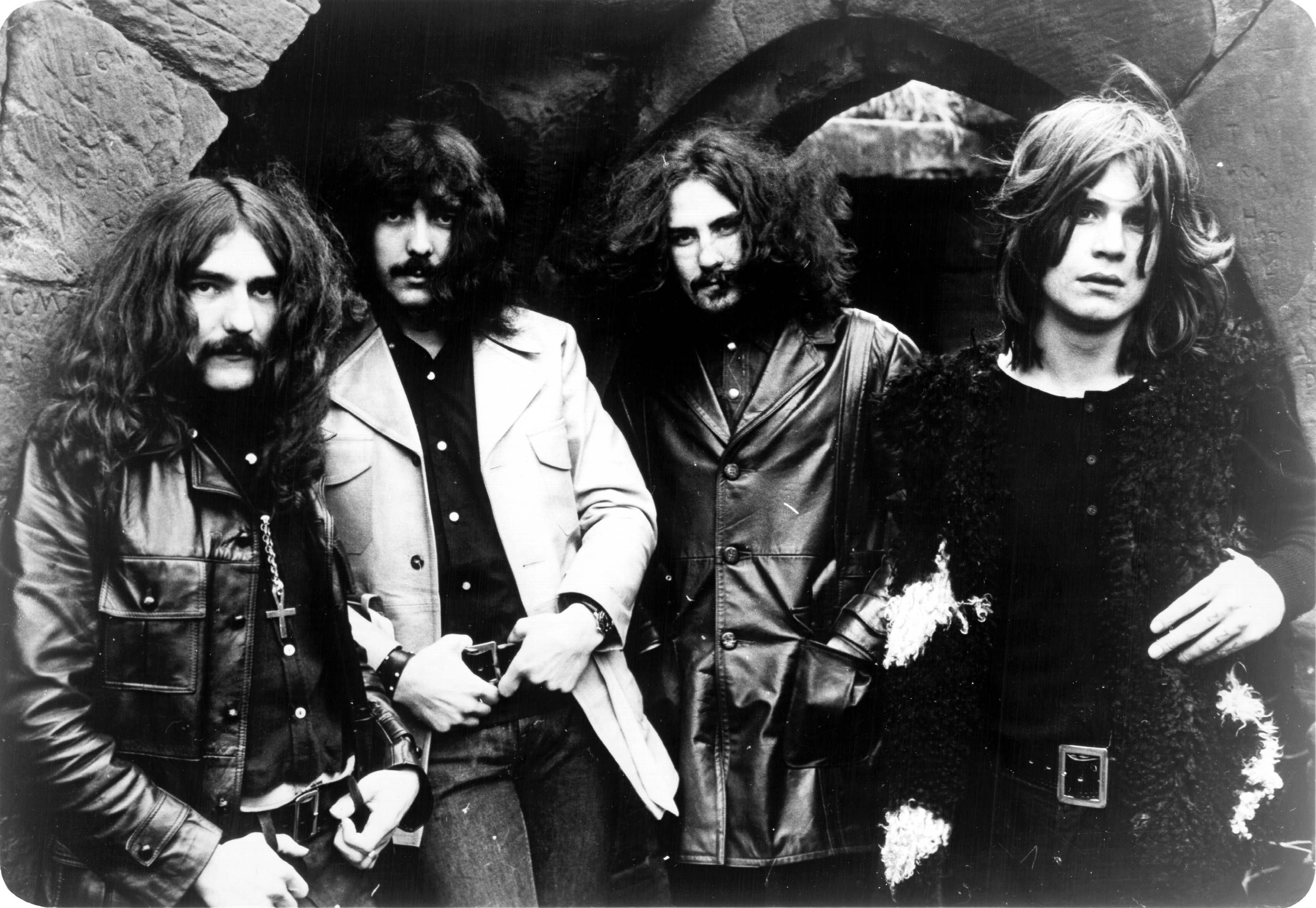
Doom metal is the heavy metal of slow tempos, low-tuned guitars and a much “thicker” sound, meant to evoke despair, dread and impending doom. Black Sabbath, with Tony Iommi’s deliberately doomy guitar and their dark, pessimistic lyrics, are generally regarded as its progenitors, and Pentagram played similar music in the early 1970s. Only in the 1980s did it come to be known as doom metal. In the first half of that decade Witchfinder General and Pagan Altar in England, Pentagram, Saint Vitus, The Obsessed, Trouble and Cirith Ungol in the United States and Candlemass in Sweden defined doom metal as a genre of its own.
Key facts
- Progenitors: Black Sabbath
- “Big Four of Doom Metal”: Pentagram, Saint Vitus, Trouble and Candlemass
- Debuts of the Big Four: Saint Vitus and Trouble (Psalm 9) in 1984, Pentagram in 1985, Candlemass (Epicus Doomicus Metallicus) in 1986
- Traditional doom: clean vocals, slow to mid tempos, higher tunings than many later doom styles (Saint Vitus, Count Raven, Reverend Bizarre)
- Epic doom: operatic vocals, keyboards, lyrics drawn from fantasy and mythology (Candlemass, Solitude Aeturnus, Solstice)
Sources: Wikipedia, “Doom metal”, Wikipedia, “Pentagram (band)”
Photo: Black Sabbath. Sabs.jpg — Warner Bros. Records. Public domain. Source image used without further edits; display may resize or crop.

